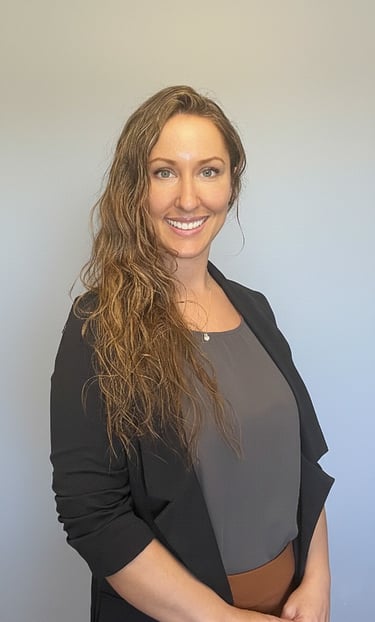
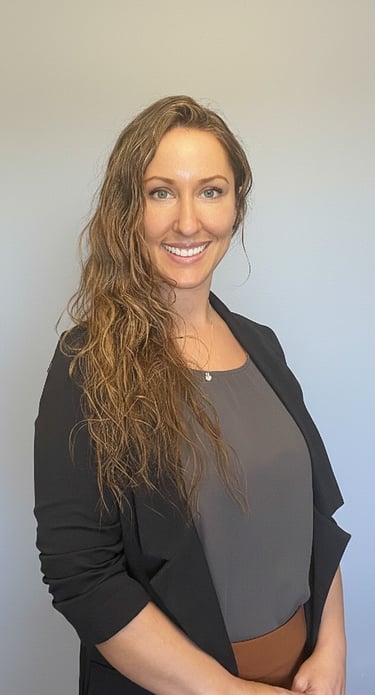
CHERISSE KLASSEN, MA, CCC (SHE/HER)
Specialized in trauma healing (EMDR, Flash, IFS, CPT)
Non-judgmental
Neuro-affirming
2SLGBTQ+-affirming
Solution-oriented and collaborative
Culturally-responsive
My Approach – Talk Therapy
My approach is down-to-earth, compassionate, and adaptable, with a strong trauma-informed emphasis on safety and nervous system regulation. I am deeply committed to creating a space where you feel heard, respected, and safe to be fully yourself. Healing is not linear. With the right support, enduring change is possible. I walk alongside you as you reconnect with your strengths, establish boundaries that honour your needs, and create new pathways forward. I work collaboratively and from the belief that you are the expert on your own inner experience. Our sessions are shaped by your goals, preferences, and capacity in each moment. While some clients find healing through open, reflective conversation, others benefit from more structured approaches. I tailor our work to you, integrating evidence-based therapies with warmth and practical strategies to support stability, clarity, and meaningful change.


Certified Trauma Psychotherapist
My Approach - EMDR & Predictive Processing Flash
I am deeply passionate about trauma healing and am so inspired by those who enter counselling with the goal of breaking intergenerational cycles of pain. Supporting this bravery through EMDR and witnessing the release of long-held trauma is an honour. This work not only transforms inner experiences, but also strengthens relationships with partners, children, family members, and oneself. Knowing that this healing can extend to future generations makes it especially meaningful. My work with trauma is particularly grounded in nervous system–informed care. Stress, traumatic memories, and emotional and neurosomatic pain are held in the body and nervous system, not just in thoughts or memories. Moreover, many patterns that feel limiting today once helped you survive. Together, we gently explore these patterns, extending appreciation to the parts that helped you survive, and we support greater regulation, self-understanding, resilience, and self-trust. My role is not to fix you, but to support you as you reconnect with your innate capacity for healing, moving toward grounded empowerment, self-compassion, and a more integrated sense of well-being. With EMDR and Flash, in particular, resolving trauma requires much less talking about one's past, and results are often achieved more quickly than traditional talk therapy.
Who I Work With
I work with individuals (adults and youth ages 14+). I offer a non-judgmental, trauma-competent space that warmly welcomes neurodiversity and affirms 2SLGBTQ+ identities. My practice is grounded in respect, collaboration, and safety. I am committed to practicing in a culturally inclusive and respectful way, and welcome all cultures and backgrounds. As someone who understands chronic pain on a personal level, I also welcome sufferers of chronic pain and illness, which can often be tied to past trauma and stress. I aim to tailor your sessions to your needs so that you are as comfortable as possible.
What I Work With
I work primarily with individuals who feel overwhelmed, disconnected, or stuck in survival mode. Trauma, especially when experienced early or repeatedly, can leave the nervous system struggling to settle. In addition, I work with depression, anxiety, grief/loss, ADHD, self-esteem, chronic pain and illness, and stress. My approach supports both mind and body in restoring a sense of safety, balance, and self-trust.
Qualifications & Training
I hold an undergraduate degree in Biological Sciences and Psychology, as well as a master’s degree in Counselling Psychology. I am a Canadian Certified Counsellor (CCC) with the CCPA, the national registering body for counsellors, and am currently awaiting Registered Clinical Counsellor (RCC) certification with the BCACC. I am trained in EMDR (under strict EMDRIA standards) and have completed advanced clinical training in EMDR for Chronic Pain and Illness, as well as EMDR for Complex PTSD (C-PTSD) and dissociation. Alongside EMDR, my work integrates evidence-based approaches including Internal Family Systems (IFS)/Parts Work, Polyvagal Theory, DBT distress management, and CBT—always through a trauma-competent lens that honours relationships, lived experience, and the protective parts within us all. Another trauma modality I have been trained in is Predictive Processing Flash (commonly referred to as "Flash") which can help resolve distress and trauma quite quickly, and also involves very little verbalizing of one's trauma. It's a gentler approach and a great technique to use for complex PTSD to ease into EMDR.
If EMDR is not your thing, I am also trained in Cognitive Processing Therapy (CPT). CPT is another trauma modality that provides a highly structured cognitive-behavioural approach to treating trauma. In addition to EMDR, CPT is also recognized as a leading, first-line treatment for trauma and PTSD.
Having lived with chronic pain/illness for over a decade and the trauma that can cause to one’s nervous system, I bring both professional expertise and lived experience to this work. I am particularly interested in central sensitization, and a core focus of my practice is supporting individuals in reducing and resolving chronic pain and illness, as well as the medical trauma that often accompanies these experiences.






A Bit about my Personal Journey
As a Métis woman growing up on the prairies of southern Manitoba, I was exposed early on to two distinct cultural worldviews: Euro-Canadian traditions rooted in individualism, and Indigenous ways of knowing grounded in collectivism and community. As I grew older and travelled more widely, I became deeply struck by the diverse ways cultures around the world understand healing. In particular, I am drawn to the collective and relational healing practices found across many cultures. These experiences have profoundly shaped my counselling approach. I work through an integrative and culturally responsive lens that honours each person’s lived experience, the adaptive patterns developed for survival, and the ways these experiences continue to shape the nervous system. My aim is to support healing that is relational, embodied, and deeply respectful of each individual’s unique story.
Outside the therapy room, you’ll often find me spending time with my partner and our cats, taking in the beauty and serenity of the forest, enjoying a good sauna, weightlifting, listening to music, reading, travelling, or expressing myself through creative endeavours.